Rising costs threaten company profits
PPI signals margin squeeze
Companies, earnings, deals and capital allocation: how corporate balance sheets are responding to rates and tariffs.
PPI signals margin squeeze
10-Q disclosure of 301 exposure
Pricing power under oil shock
Oil shock re-priced into swaps
Earnings quality of refunds
Forced-labour compliance costs
Execution risk in peace pricing
Closure strands fleet capacity
Cash windfall allocation
Product tightness lifts margins
Red Sea bypass capacity
Airline fuel-hedge coverage
Importer balance sheets gain claim
Agentic tools threaten seat pricing
Capex outruns operating cash
Refund contingency accounting
Debt-funded cash vs stock offer
Stock vs cash offers
Beat fails to calm capex fears
Debt funds AI capex
Vendor equity funds customer capex
Factoring hides leverage
RPO requires debt-funded capex
Investment pledges as tariff price
Reserve rules mirror 2a-7
100% expensing pulls investment forward
Retailer absorption vs price hikes
Quota-based auto relief
AI capex insensitive to trade shock
Uncertainty forces guidance suspension
OEM margins vs parts origin
Ramp costs compress gross margin
Input tariffs compress downstream margins
Jevons logic in capex guides
Fee pool recovery vs capital relief
Blocked deal triggers termination payment
Consolidation to fund EV transition
Political veto as deal variable
Inventory pull-forward ties up cash
Non-core credits flatter auto margins
Rate cuts compress bank margins
Long-dated PPAs as capex substitutes
Strike burns cash near junk threshold
Cash as valuation signal
Foundry capex exhausts free cash flow


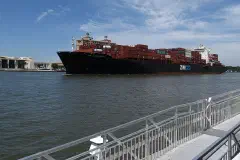


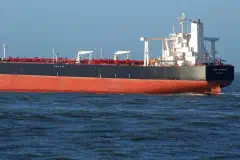
![The British managed container ship, Los Angeles Trader [IMO 9348663] departing Fremantle Port on December 15, 2015](/photos/trade-c687_hu_49cba2115340da07.webp)