Three ways the Hormuz crisis could end
Probability-weighted Hormuz scenarios

Key dataTentative deal (28 May)
On 28 May, international mediators unveiled a tentative framework agreement designed to resolve the Persian Gulf maritime crisis. For quantitative risk modelers and macro asset allocators, the announcement initiates a complex decision-tree analysis: three divergent pathways that will dictate the trajectory of global inflation and interest rates into 2027.

Scenario A: The Verified Reopening (30% Probability)
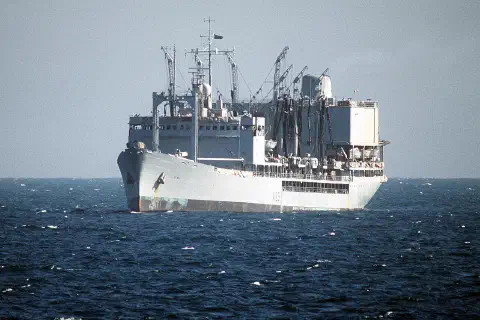
Under the optimal pathway, international naval forces execute joint minesweeping, war-risk insurance syndicates restore coverage, and commercial tanker traffic scales back to twenty million barrels daily. In this scenario, Brent crude collapses toward $75, eliminating stagflationary risks and unlocking aggressive central bank easing.
Scenario B: The Asymmetric Cold War (50% Probability)
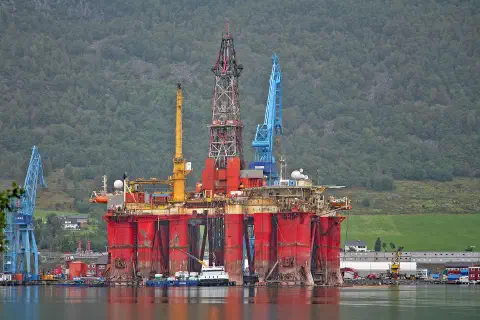
The second, most probable pathway features an ambiguous diplomatic accord where physical transit resumes under erratic security conditions. Occasional drone harassment and extortionary transit tolls keep war-risk premia elevated, restricting tanker traffic to twelve million barrels daily and anchoring Brent crude firmly in the $90 to $105 range.
Scenario C: Complete Breakdown and Regional War (20% Probability)
Should the tentative deal collapse, kinetic strikes resume against Saudi refining infrastructure and Iranian export hubs, pushing crude beyond $130 per barrel and forcing global central banks into emergency monetary tightening. The Hormuz crisis stands at a historic quantitative crossroads: three distinct scenarios dictate whether the global economy experiences a disinflationary energy relief rally, a grinding hundred-dollar plateau, or a catastrophic stagflationary energy war.
Write to The Lombard Review at contact@thelombardreview.com