Is it oil or tariffs pushing prices up?
Decomposing two supply shocks

Key data10% surcharge for five months
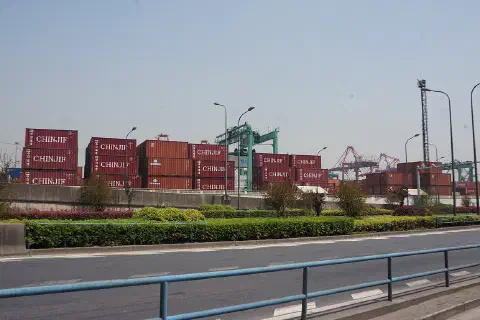
A rigorous quantitative econometric decomposition of the mid-2026 inflation resurgence addresses the central debate consuming the Federal Reserve: is the renewed price spike driven primarily by the Persian Gulf hundred-dollar oil shock, or by the compounding, cumulative effect of five months of universal 10 per cent import tariffs?
The Statistical Factor Decomposition
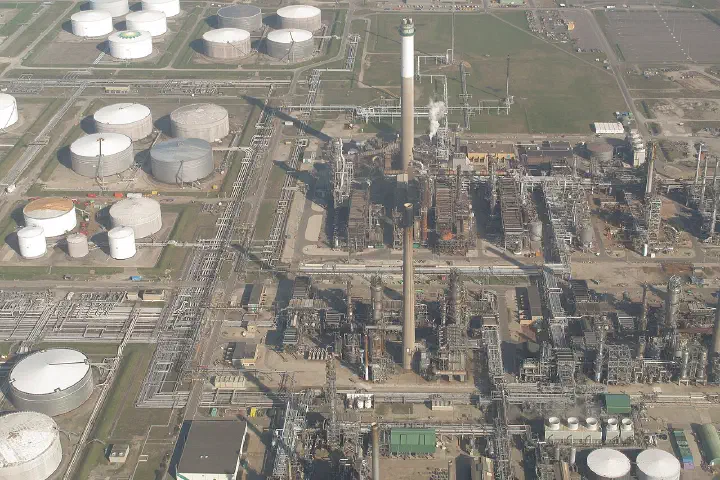
Utilizing vector autoregression (VAR) and input-output price transmission modeling, quantitative economists separated the price shock into its distinct component drivers. The empirical data reveals a remarkably balanced, toxic twin-shock: surging crude and diesel prices account for approximately 55 per cent of the headline inflation acceleration, operating through transportation freight and energy utility bills. Universal import tariffs account for the remaining 45 per cent, driving persistent price increases across durable household goods, apparel, and industrial hardware.

The Double Supply-Shock Trap
The simultaneous arrival of an exogenous energy shock and a protectionist trade tax creates an unprecedented policy nightmare. Neither shock can be remedied by monetary tightening; both shocks destroy real household purchasing power while lifting nominal prices. Decomposing the inflation data proves that the economy is suffering from a coordinated double supply shock: hundred-dollar oil and double-digit tariffs have joined forces to manufacture an acute stagflationary surge that monetary policy cannot easily resolve.
Write to The Lombard Review at contact@thelombardreview.com