The longest shutdown's lasting cost
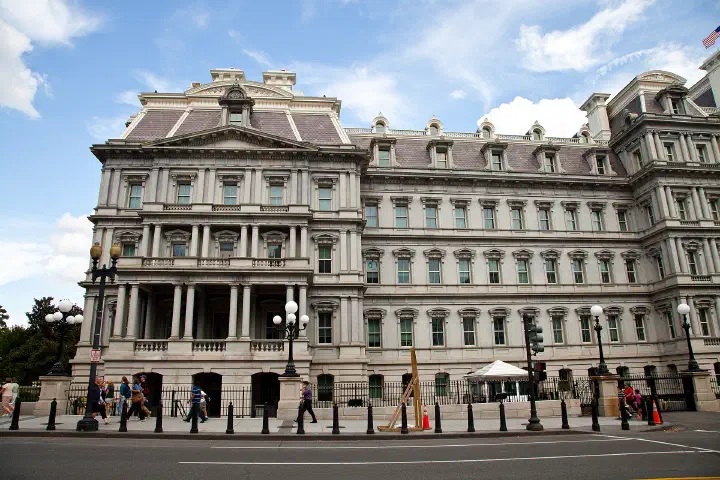
The longest federal government shutdown in modern American history officially concluded after forty-three grueling days of legislative paralysis. The Congressional Budget Office delivered a sobering post-mortem, calculating that the prolonged funding lapse inflicted a permanent, unrecoverable deadweight economic loss of approximately $11 billion on national gross domestic product.

The Unrecoverable Economic Scars
While furloughed federal civil servants eventually received retroactive back pay, the broader economic collateral damage was permanent. Private government contractors, travel operators, concessionaires, and small business suppliers saw revenues vanish permanently into the void. Furthermore, hundreds of corporate merger reviews, FDA drug approvals, and environmental infrastructure permits were delayed by months, freezing billions in private capital investment.

The Fiscal Illusion of Shutdown Savings
The shutdown demonstrated the complete fiscal absurdity of funding lapses as budget control mechanisms. The federal government saved zero net dollars, incurred immense administrative restart costs, and inflicted direct damage on the macro economy. A 43-day government shutdown delivers zero fiscal consolidation while extracting an irreversible $11 billion economic penalty, proving that legislative hostage-taking is the most expensive form of governance in the modern world.
Write to The Lombard Review at contact@thelombardreview.com