Hormuz reopens, on paper
MOU without verification
Key dataJune MOU to reopen Hormuz
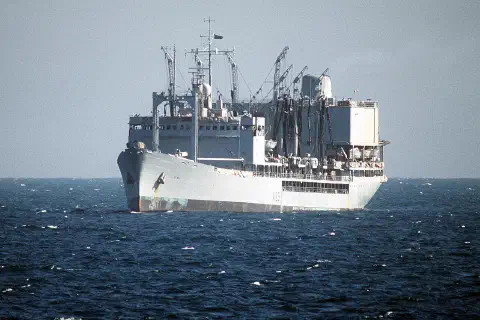
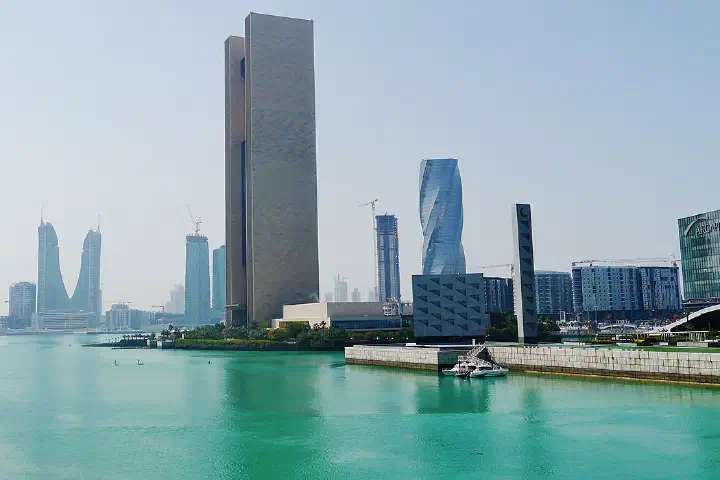
International news wires erupted on 23 June with declarations that the Strait of Hormuz had been officially reopened, following the ceremonial signing of a multilateral Memorandum of Understanding (MOU) between regional powers. Yet an inspection of physical maritime tracking data revealed an astonishing truth: commercial shipping lanes through the waterway remain virtually deserted.
The Paper Reopening Mirage
An MOU signed by political diplomats does not clear naval minefields, nor does it guarantee the immunity of civilian merchant mariners from rogue naval drone attacks. Lloyd’s of London war-risk underwriting syndicates issued a blunt notice: insurance rates will remain at punitive wartime emergency levels until joint naval verification teams physically sweep the navigation channels and establish a permanent security corridor.
The Credibility Deficit
Commercial tanker owners refuse to risk $150 million vessels on the promise of a non-binding memorandum. Until physical security conditions are independently verified by maritime safety authorities, the Strait of Hormuz remains closed in all practical commercial respects. Reopening the Strait of Hormuz on paper is a hollow diplomatic victory that fools financial headline algorithms for an afternoon, but physical crude will not flow until commercial underwriters verify that the waterway is genuinely safe.
Write to The Lombard Review at contact@thelombardreview.com