Why ships won't sail through Hormuz
Insurance premia block transits
Key dataConvoy paused 4 May
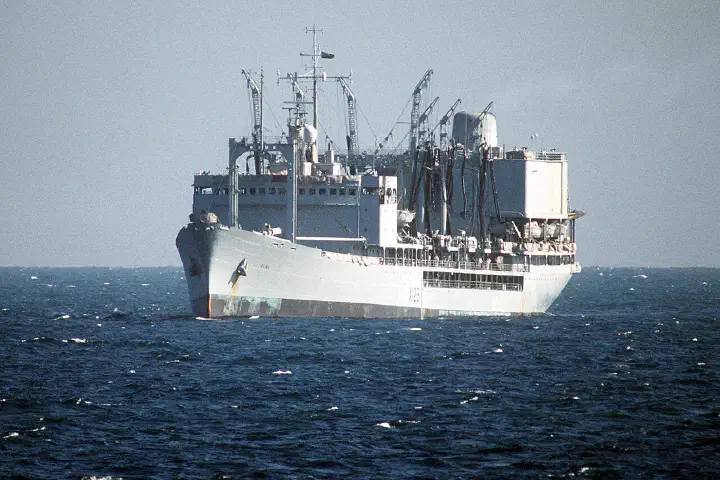
The Pentagon’s ambitious plan to restore international maritime trade through the Persian Gulf suffered a humiliating operational setback on 4 May: the naval convoy escort mission was abruptly paused. Despite the presence of guided-missile destroyers, commercial tanker fleets refuse to enter the Strait of Hormuz for a simple, uncompromising financial reason: London war-risk insurance syndicates have rendered transit mathematically impossible.

The Insurance Underwriting Barrier
Modern commercial maritime transport cannot move a single nautical mile without hull, machinery, and protection and indemnity (P&I) insurance coverage. Following recent drone strikes on civilian vessels, Lloyd’s of London underwriters and mutual P&I clubs raised additional war-risk premia to an unprecedented five per cent of insured vessel hull value per single transit. For a modern Very Large Crude Carrier (VLCC) valued at $120 million, that represents a $6 million insurance surcharge for a twenty-four-hour voyage.
Naval Escorts vs. Commercial Liability
A naval warship can shoot down missiles, but it cannot indemnify a commercial shipowner against a total hull loss or environmental cleanup liabilities. With commercial freight rates incapable of absorbing a $6 million single-transit insurance tax, tanker owners are keeping vessels anchored outside the Gulf of Oman. Commercial ships will not sail through the Strait of Hormuz because the private insurance market has declared the waterway un-insurable, proving that financial underwriting—not military firepower—is the ultimate arbiter of global trade flows.
Write to The Lombard Review at contact@thelombardreview.com