The oil shock the world feared
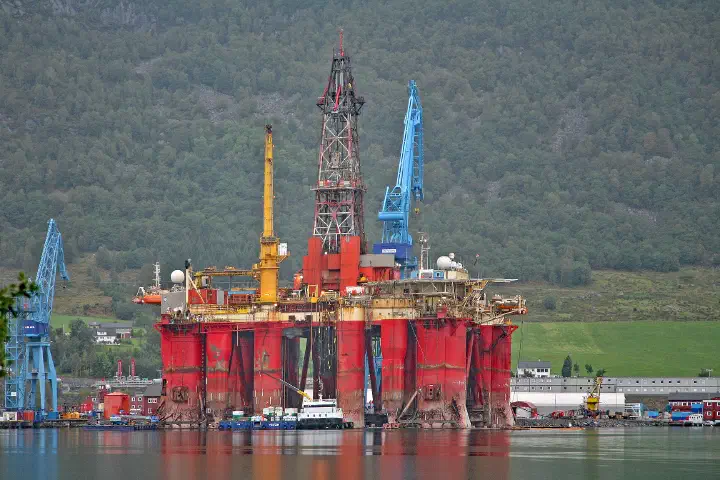
On 28 February, the geopolitical nightmare that global energy markets had dreaded for half a century became operational reality: major military conflict erupted in the Persian Gulf, abruptly severing maritime navigation through the Strait of Hormuz and removing twenty per cent of global seaborne petroleum supply overnight. Brent crude exploded past $100 per barrel.
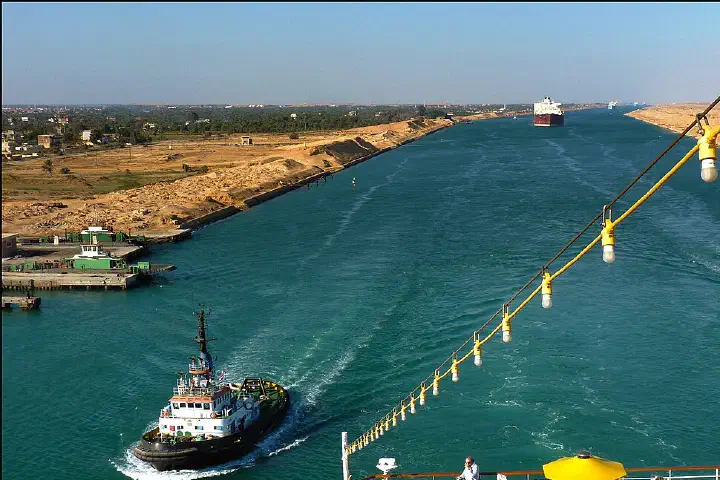
The Ultimate Chokepoint Severed
The Strait of Hormuz is the irreplaceable physical artery of global industrial civilization, through which approximately twenty million barrels of crude and refined petroleum transit daily. With commercial tankers struck by naval drones and maritime insurance underwriters universally canceling war-risk coverage, tanker traffic ground to a dead halt. No alternative pipeline network or strategic reserve can substitute for twenty million barrels per day of shut-in supply.
Stagflationary Shockwaves
The immediate consequence is an unhedged stagflationary shock of historic proportions. Surging crude, bunker fuel, and refined product prices represent an immediate tax on global aggregate demand while igniting cost-push inflation across logistics, petrochemicals, and agriculture. The closure of the Strait of Hormuz transforms the global macroeconomic landscape overnight: replacing disinflationary narratives with the brutal reality of physical energy rationing and hundred-dollar crude.
Write to The Lombard Review at contact@thelombardreview.com