Tariffs haven't dented Big Tech's AI spending
As industrial manufacturers, retail chains, and automotive conglomerates slashed capital budgets under the cloud of escalating trade wars, Silicon Valley’s technology titans remained totally insulated. Alphabet, Microsoft, and Meta reiterated their staggering artificial intelligence infrastructure spending plans, with Alphabet reaffirming its commitment to an annual capex run-rate exceeding $75 billion.
Capital Expenditure Inelasticity
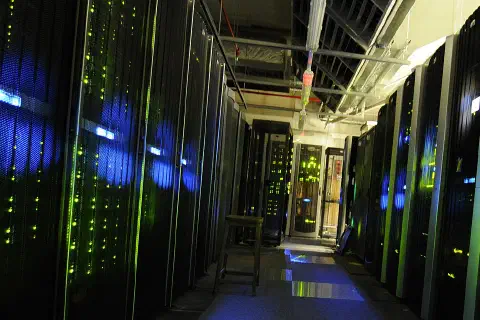
Hyperscaler capital budgeting exhibits complete price and policy inelasticity because artificial intelligence is viewed as an existential platform race. In the perspective of Big Tech boardrooms, the competitive penalty for under-investing in compute infrastructure—losing foundation model supremacy or developer mindshare—vastly exceeds the short-term friction of paying a 10 or 25 per cent tariff on imported networking gear or server chassis.

Free Cash Flow Firewalls
Unlike manufacturing firms operating on wafer-thin gross margins and heavy working capital leverage, mega-cap technology firms sit atop fortress balance sheets and generate immense software-driven cash flows. This liquidity allows them to absorb hardware border surcharges without blinking, effectively crowding out smaller enterprise competitors from compute procurement. Big Tech’s relentless AI spending confirms that existential technological competition operates completely outside the gravity of international trade policy, funded by monopolistic software cash flows that no border tariff can derail.
Write to The Lombard Review at contact@thelombardreview.com