Powell's final meeting
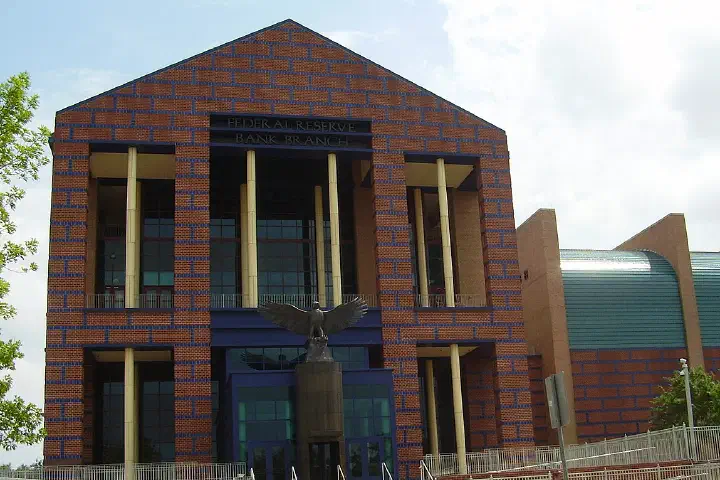
Federal Reserve Chairman Jerome Powell presided over his final Federal Open Market Committee meeting on 28 April, marking the conclusion of a historic, turbulent eight-year tenure spanning pandemic emergencies, historic inflation spikes, and aggressive trade wars. Yet the transition to his designated successor, Kevin Warsh, injects profound institutional risk into sovereign debt markets.
The End of the Powell Era
Powell leaves a central bank that successfully navigated the most violent inflation episode in forty years without causing a catastrophic balance-sheet depression. However, his departure leaves the FOMC deeply fractured, with policy rates paused at 3.50–3.75 per cent amidst sticky core services inflation and an unconstrained Middle East energy crisis. Powell’s disciplined, consensus-driven leadership is about to give way to an untested, ideologically aggressive regime.
The Warsh Transition Risk
Fixed-income desks are bracing for an unprecedented institutional pivot. With Kevin Warsh committed to shrinking the Fed's $6.5 trillion balance sheet in exchange for policy rate reductions, trading desks face an immediate regime break in sovereign debt absorption. Powell's final FOMC meeting marks the end of institutional predictability: sovereign bond markets are bidding farewell to an era of pragmatic consensus and bracing for the structural volatility of an ideologically driven Warsh chairmanship.
Write to The Lombard Review at contact@thelombardreview.com