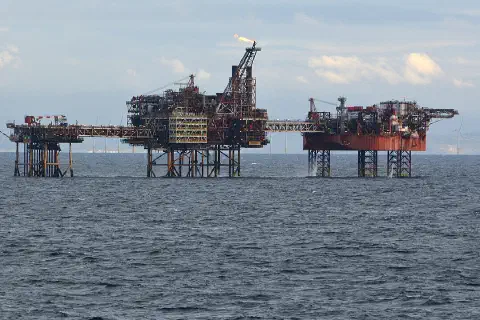
The Fed faces a war shock
The Federal Open Market Committee concluded its March policy meeting by freezing the federal funds rate at 3.50–3.75 per cent, trapped in a classic central bank nightmare: confronting an exogenous geopolitical supply shock that crushes economic output while simultaneously detonating headline inflation.

The Supply-Shock Reaction Function
Central bank dogma suggests that monetary authorities should look through temporary supply-side energy shocks, avoiding rate hikes that compound economic slowdowns. However, with headline CPI already threatened by hundred-dollar oil and core services inflation sticky, the Fed cannot afford the luxury of accommodation. Cutting rates to support growth risks un-anchoring long-term inflation expectations; hiking rates to fight oil prices guarantees a severe domestic recession.
Paralysis Under Uncertainty
Chairman Powell’s press conference acknowledged the severe operational limits of monetary instruments. Raising benchmark borrowing costs will not escort a single oil tanker through the Persian Gulf. The Federal Reserve’s March rate freeze reflects complete institutional paralysis: trapped between the stagflationary pincers of an unconstrained Middle East war and fragile domestic employment, monetary policy has been rendered entirely impotent.
Write to The Lombard Review at contact@thelombardreview.com