The ceasefire that didn't open the strait
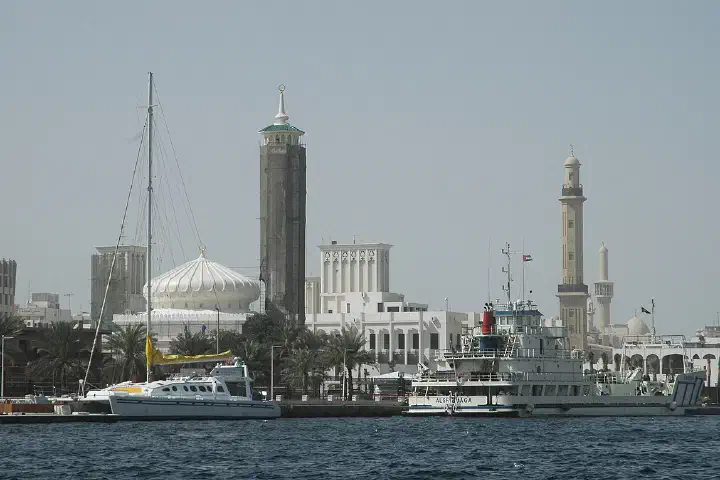
The optimism generated by the announced Middle East ceasefire evaporated into bitter disillusionment on 13 April: rather than escorting commercial tankers through the Strait of Hormuz, the United States Navy established an aggressive maritime blockade of Iranian ports, while naval drones continued to harass commercial shipping lanes.
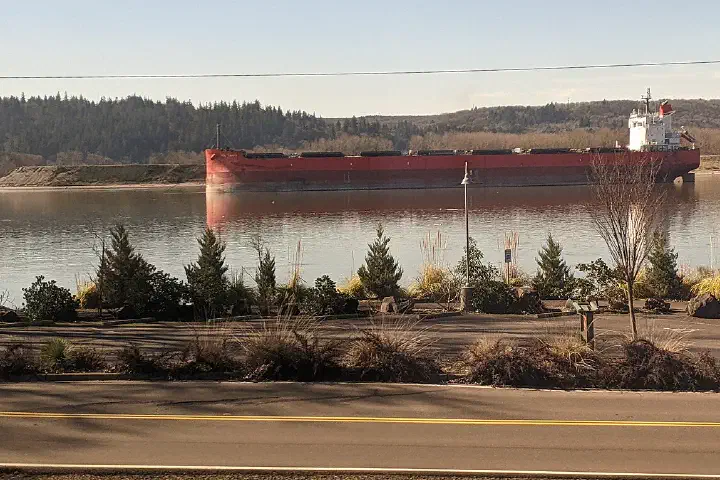
Blockade vs. Commercial Navigation
The transition from active kinetic warfare to an enforced naval blockade does nothing to restore commercial trade. International commercial tanker owners—operating multimillion-dollar vessels manned by civilian merchant crews—refuse to transit an active naval combat zone regardless of diplomatic terminology. London war-risk syndicates maintained their cancellation of insurance underwriting, keeping commercial transit through the strait essentially at zero.
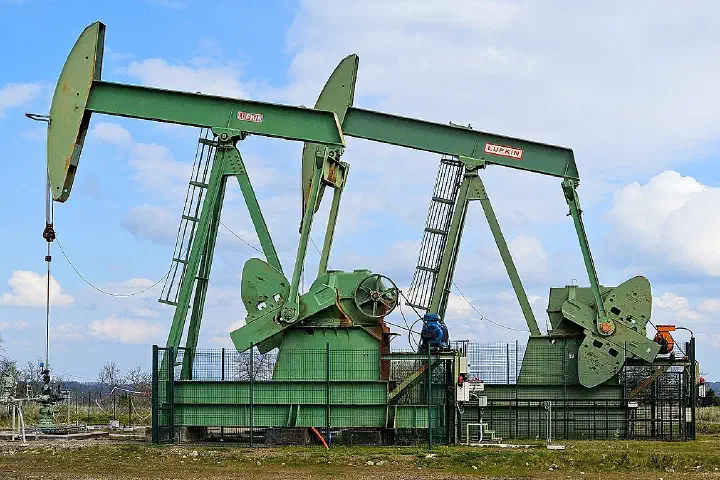
The Persistence of Energy Rationing
With twenty million barrels of daily petroleum supply remaining effectively trapped behind the blockade, the global energy deficit entered its second month. Refineries worldwide have begun dipping into minimum operating tank bottoms, threatening refinery run cuts across Europe and East Asia. The ceasefire that failed to open the Strait of Hormuz proves that pausing missile strikes is meaningless for global commerce: replacing open warfare with a maritime blockade preserves the energy chokehold, locking the world into sustained supply-side contraction.
Write to The Lombard Review at contact@thelombardreview.com