Independence Day: The real cost of the "big beautiful bill"
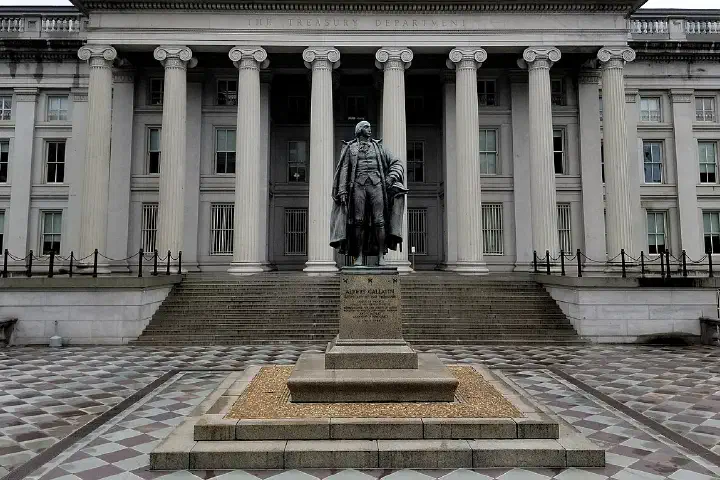
As the nation celebrated Independence Day, non-partisan budget scorekeepers delivered a chilling structural assessment of the recently enacted fiscal legislation. The Congressional Budget Office officially projected that the OBBBA will add approximately $3.4 trillion to federal deficits over the coming decade, even after incorporating optimistic dynamic economic growth assumptions.

The Fallacy of Self-Funding Tax Cuts
The legislative debate was dominated by assertions that 100 per cent bonus expensing and lower statutory rates would generate sufficient economic expansion to pay for themselves. The CBO’s econometric modeling dismantled this supply-side illusion. While capital investment incentives do provide a moderate lift to potential real GDP, the resulting tax revenue feedback offsets less than twenty per cent of the gross statutory revenue loss. The remaining eighty per cent must be funded through continuous sovereign debt issuance.

Compounding Debt-Service Realities
With federal debt held by the public already exceeding 100 per cent of gross domestic product, adding another $3.4 trillion in primary borrowing triggers an explosive compounding loop in net interest outlays. By 2030, sovereign interest payments will surpass combined discretionary spending on education, infrastructure, and veterans' affairs. The real cost of the 'big beautiful bill' is not its headline price tag, but the permanent sacrifice of America's sovereign balance-sheet resilience, locking future generations into an unforgiving cycle of debt-funded debt service.
Write to The Lombard Review at contact@thelombardreview.com