Singles' Day: A truce, but will China shop?
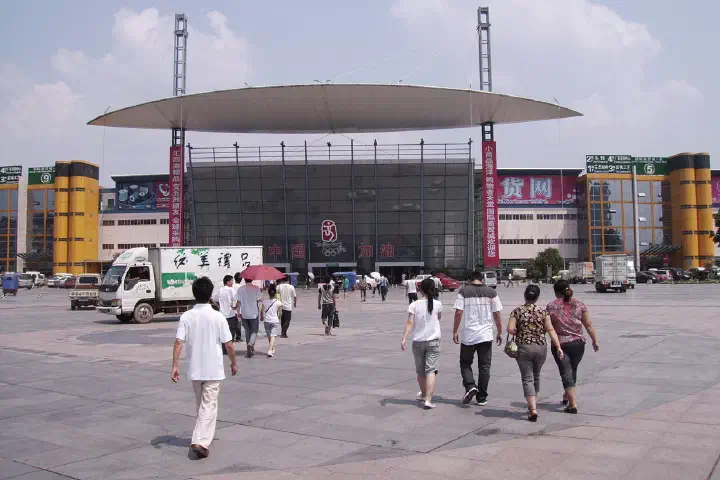
China’s annual Singles’ Day shopping festival concluded with an unprecedented subdued atmosphere, revealing the deep structural malaise gripping the world's second-largest consumer economy. Despite the recent Busan bilateral trade truce with the United States on 30 October, domestic Chinese consumers refused to unleash their wallets.

The Domestic Demand Paralysis
The de-escalation of external trade frictions failed to cure the structural disease afflicting Chinese household balance sheets. With real estate values continuing their multi-year decline and youth unemployment elevated, Chinese households are actively practicing defensive balance-sheet repair. Total gross merchandise value (GMV) across Alibaba and JD.com registered flat to low single-digit growth, driven almost entirely by steep merchant discounting.
Global Corporate Implications
For Western multinational consumer brands—from luxury fashion conglomerates to automotive manufacturers—the Singles’ Day results deliver a sobering message: external tariff truces cannot manufacture internal domestic demand. Singles' Day 2025 proves that resolving international trade disputes does not resolve domestic consumer exhaustion, leaving China's economy trapped in a deflationary liquidity trap that no trade agreement can fix.
Write to The Lombard Review at contact@thelombardreview.com