America and China call a truce, again
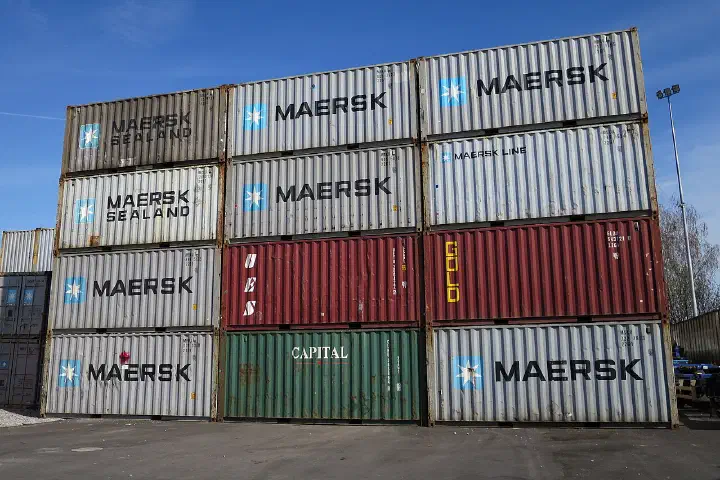
Washington and Beijing stunned international financial markets once again by announcing a comprehensive bilateral trade de-escalation on 4 November, rolling back punitive tariffs and suspending retaliatory export controls. Under the agreement, the controversial US 'fentanyl-linked' border tariffs were slashed to 10 per cent, in exchange for China pausing its aggressive rare earth export bans.
The Tactical Trade Armistice
The agreement was born of mutual economic exhaustion. The White House was facing mounting domestic inflation and acute shortages of critical permanent magnets for defense and automotive manufacturing. Beijing was confronting severe export contraction and record capital outflows. The de-escalation provides immediate operational relief for container shipping lines and cross-border manufacturing supply chains.

Currency and Bond Relief
Foreign exchange and sovereign bond markets rallied aggressively on the news. The offshore yuan strengthened, while US Treasury yields compressed as the immediate threat of trade-induced stagflation receded. The 4 November trade truce proves that extreme economic brinksmanship inevitably capitulates to supply-chain reality, establishing an interim tactical peace that offers vital breathing room to global corporate earnings.
Write to The Lombard Review at contact@thelombardreview.com