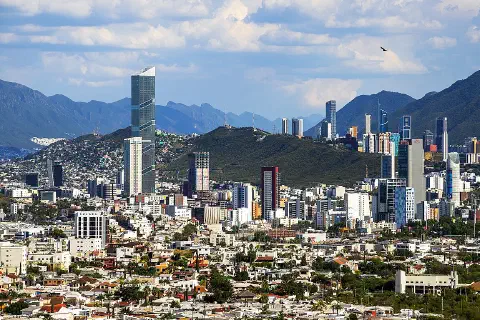
India hit with 50% tariffs
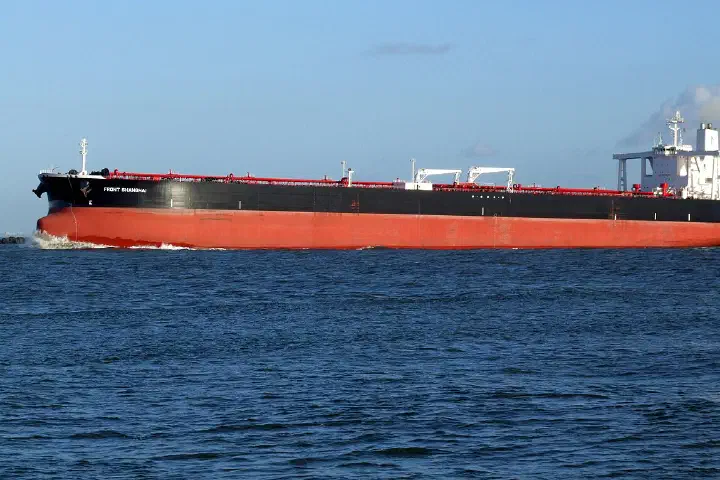
Washington’s protectionist offensive expanded aggressively into South Asia, as the administration levied a sudden 50 per cent tariff on Indian imports, with an initial 25 per cent tranche taking effect on 27 August. The move sent the Indian rupee tumbling and disrupted one of the fastest-growing trade corridors in global commerce.

Secondary Tariffs on Emerging Assets
The punitive border levy was designed to penalize India's continued procurement of discounted Russian crude and its bilateral trade surplus with the United States. However, the financial fallout was felt immediately across Mumbai's equity and fixed-income markets. Foreign institutional investors liquidated domestic holdings, triggering sharp capital outflows and forcing the Reserve Bank of India to intervene aggressively to defend the currency.

Supply-Chain Re-shoring Fractures
The tariffs severely damage Western corporate supply chains that had spent four years executing a 'China Plus One' diversification strategy. Multinationals that shifted electronics assembly and pharmaceutical chemical sourcing from Shenzhen to Tamil Nadu and Gujarat now face border duties that render Indian manufacturing uncompetitive. Slapping 50 per cent tariffs on India shatters the Western corporate diversification thesis, proving that geopolitical alignment offers zero protection against unilateral American trade mercantilism.
Write to The Lombard Review at contact@thelombardreview.com