Shipping costs double as ships avoid the Red Sea
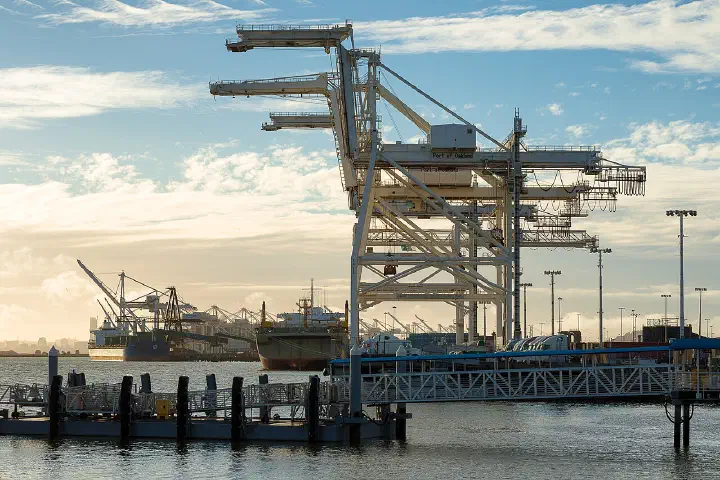
The commercial consequences of the Red Sea shipping crisis are accelerating through global trade lanes. With container vessels avoiding the Suez Canal and taking the 3,500-mile detour around Africa, spot container freight rates between Asia and Europe have more than doubled within three weeks. What was initially dismissed as a temporary logistical disruption is hardening into a structural trade friction.

The Inflationary Transit Tax
The crisis is not merely about higher shipping tariffs; it is about working capital. Extended voyage times tie up container capacity and delay component deliveries for European industrial manufacturers, forcing companies to rebuild buffer inventories. Just as global goods disinflation was reaching its stride, the rerouting of seaborne trade is reintroducing supply-side cost inflation across retail ledgers.
The doubling of shipping rates from the Red Sea crisis demonstrates how swiftly geopolitical conflict can reintroduce supply-chain friction and disrupt the fragile path of global disinflation.
Write to The Lombard Review at contact@thelombardreview.com