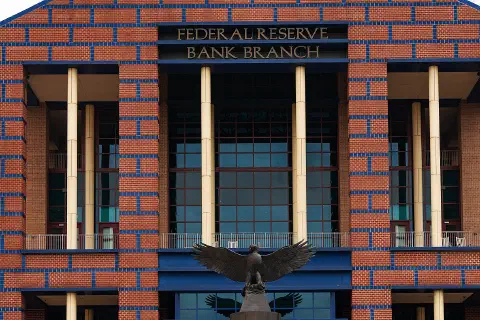
2023: The recession that never came

As 2023 draws to a close, economists and macroeconomic forecasters must confront a humbling reality: the universal recession call that dominated market consensus twelve months ago was spectacularly wrong. Late-2022 surveys showed an unprecedented sixty-five per cent probability of a US recession in 2023. Instead, the American economy accelerated, posting robust GDP growth and defying the fastest tightening cycle in generations.
The Anatomy of a Forecasting Failure
Forecasters failed because they applied mechanical models calibrated to previous cycles, underestimating the extraordinary cushion of pandemic household excess savings, the locking-in of ultra-low corporate and mortgage debt, and massive federal fiscal expansion. The private sector was effectively insulated from the initial rate shock. The recession was not canceled; its timeline was simply decoupled from standard historical lags.

The utter failure of 2023’s consensus recession call is a masterclass in macroeconomic humility, proving that structural balance-sheet insulation can defeat traditional monetary models.
Write to The Lombard Review at contact@thelombardreview.com