One cut, three dissents

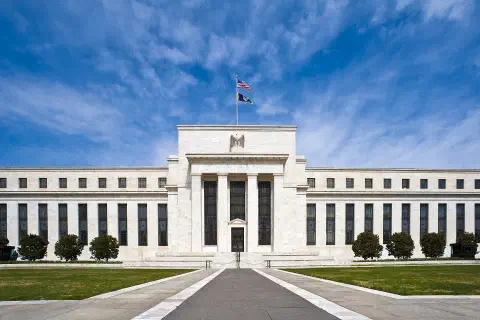
The Federal Open Market Committee concluded its final policy gathering of 2025 by lowering the benchmark federal funds target by 25 basis points to 3.50–3.75 per cent, while officially launching $40 billion in monthly Reserve Management Purchases. However, the apparent monetary easing was shattered by a historic institutional rupture: three voting members registered formal dissents.

The Three-Way Ideological Fracture
Voting dissents inside the FOMC are traditionally rare, coordinated, and limited to a single regional president. A simultaneous triple dissent signals that institutional consensus has broken down completely. Two hawkish members voted to hold rates steady, citing sticky core service inflation and the risk of easing into uncollected tariff price pass-through. Conversely, newly confirmed Governor Stephen Miran dissented in favor of an aggressive 50-basis-point reduction to counteract labor deterioration.

Forward Guidance Paralysis
With the committee splintered across three distinct factions, Chairman Powell’s post-meeting press conference was reduced to an exercise in linguistic damage control. Fixed-income desks recognized that the central bank’s forward guidance has ceased to function as a dependable policy anchor. A single interest rate cut marred by three contradictory dissents confirms that the Federal Reserve has lost its unified theoretical compass, leaving bond markets to navigate 2026 without institutional clarity.
Write to The Lombard Review at contact@thelombardreview.com