Is "higher for longer" already priced in?

Equity markets spent the summer pricing in a benign 'goldilocks' scenario, where inflation fades painlessly and central banks embark on an orderly cycle of monetary easing. That comfortable thesis was shattered by the August consumer price index, which accelerated to 3.7 per cent year-on-year, driven by a violent rally in wholesale energy prices. The reality of 'higher for longer' is finally forcing its way into asset valuations.
The Energy Transmission Line
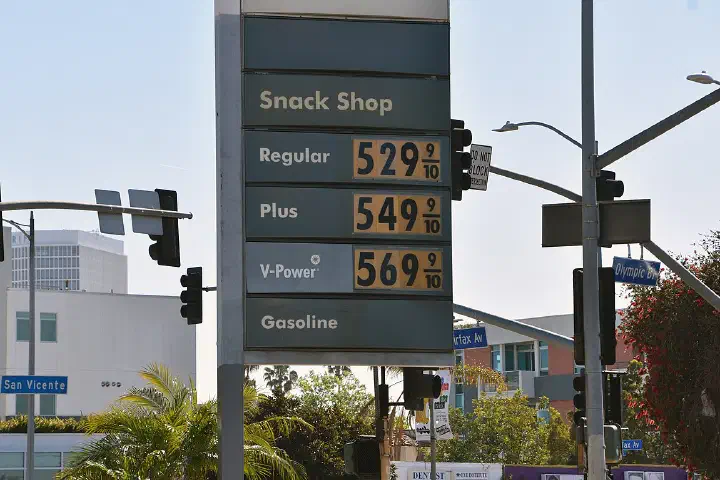
While core inflation ticked down to 4.3 per cent, rising fuel costs operate as an unhedged tax on consumer disposable income while threatening to feed into transport costs and secondary service pricing. The Federal Reserve cannot afford to look through energy shocks when inflation expectations remain fragile. The forward curve must now accommodate an extended plateau of restrictive interest rates.

The re-acceleration of headline inflation driven by oil prices is a brutal reminder that 'higher for longer' is not merely hawkish rhetoric, but an inescapable macroeconomic necessity.
Write to The Lombard Review at contact@thelombardreview.com