Banks borrow from the Fed to earn more from the Fed
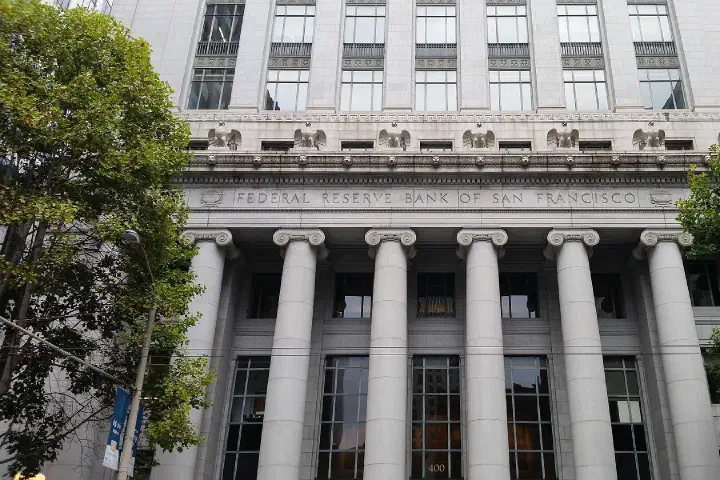
In the quiet corners of central bank plumbing, a lucrative arbitrage trade has flourished. Following the collapse of Silicon Valley Bank, the Federal Reserve established the Bank Term Funding Program (BTFP) to provide liquidity against par value collateral. By late 2023, an unintended interest rate gap emerged: banks could borrow from the BTFP at roughly 4.9 per cent and immediately deposit the proceeds into the Fed's reserve balance earning 5.4 per cent.

Closing the Arbitrage Spigot
This risk-free 50-basis-point spread drove BTFP borrowing to record highs above $160 billion, turning an emergency financial stability backstop into a subsidized carry trade for commercial banks. Recognizing that it was paying banks risk-free profits on an emergency lending facility, the Fed finally acted to adjust the BTFP borrowing rate before letting the facility expire. The episode was a classic reminder that financial institutions will ruthlessly exploit any administrative pricing discrepancy.
The BTFP arbitrage was a masterclass in Wall Street plumbing exploitation, converting an emergency lender-of-last-resort facility into a risk-free commercial banking windfall.
Write to The Lombard Review at contact@thelombardreview.com