100% tariffs on drugs, unless you build here
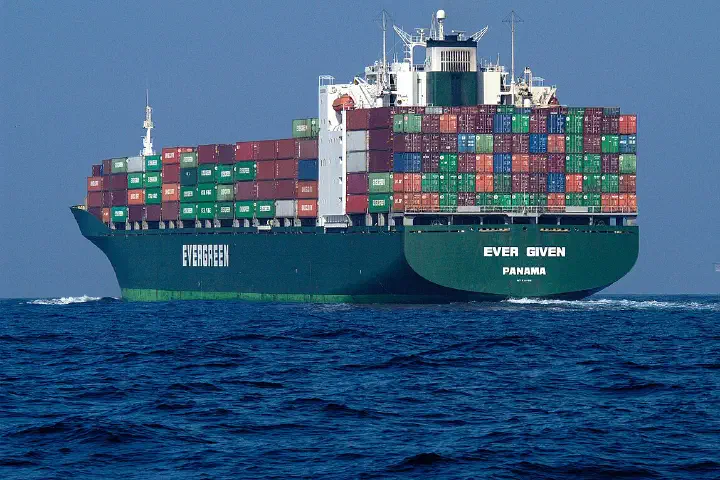
The administration announced an aggressive, uncompromising trade directive targeting the global pharmaceutical industry on 25 September: all imported prescription drugs and active pharmaceutical ingredients (APIs) will face an immediate 100 per cent border tariff, unless the manufacturing pharmaceutical company formally commits to constructing a domestic US production facility within twenty-four months.
The Ransom Model of Industrial Reshoring
The directive represents an unprecedented attempt to force the domestic repatriation of pharmaceutical manufacturing through punitive taxation. Global drugmakers have spent thirty years optimizing supply chains in Ireland, Switzerland, India, and Singapore to take advantage of lower operational costs and favorable corporate tax structures. Confronted with a 100 per cent border penalty, the economics of overseas drug formulation are destroyed overnight.
Healthcare Cost Hyperinflation
However, constructing specialized, FDA-compliant biologic manufacturing facilities requires years of capital deployment, specialized biochemical engineering, and complex regulatory validation. Drugmakers cannot build domestic facilities in twenty-four months. The immediate consequence will be a massive surge in drug prices for American consumers and hospital networks. Imposing 100 per cent tariffs on imported pharmaceuticals treats critical healthcare as an industrial hostage, guaranteeing near-term drug shortages and severe price inflation in an attempt to forcibly reshore biochemical manufacturing.
Write to The Lombard Review at contact@thelombardreview.com