When the data changes after the decision

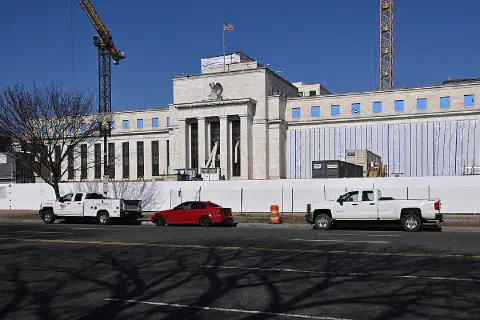
The January personal consumption expenditures (PCE) report arrived as a bitter shock to Eccles Building policymakers, with core PCE advancing 0.6 per cent month-on-month and lifting the annual rate to 4.7 per cent. More troubling than the single monthly print, however, was the quiet upward revision to previous months that accompanied it. The immaculate disinflationary trajectory that central bankers thought they had engineered in late 2022 was revealed to have been an optical illusion manufactured by provisional data. When the historical data changes after policy decisions have already been struck, central bankers confront the nightmare of conducting monetary policy through a shattered rear-view mirror.
The standard Taylor-type policy rules that guide central bank deliberations rely heavily on real-time estimates of inflation momentum and output gaps. When incoming preliminary prints systematically understate inflationary persistence, committee members are led into structural policy errors.
The Cost of Provisional Errors
The Federal Reserve’s December downshift from 75 to 50 basis points, followed by the February moderation to 25 basis points, was intellectually justified by what appeared to be an accelerating quarterly collapse in sequential price pressure.

The retrospective revisions showed that core inflation had actually remained stubbornly flat throughout the fourth quarter. The committee had effectively eased financial conditions and encouraged equity multiples to expand based on provisional statistics that evaporated upon subsequent review.
The Hawkish Reaction Function
The structural consequence of these revisions is an inevitable hardening of the Fed's reaction function. Central bankers who have been embarrassed by retrospective revisions will no longer trust soft preliminary data or early signs of deceleration.
They will demand unambiguous, persistent evidence of demand destruction before even contemplating an end to policy tightening. Conducting monetary policy based on preliminary data series that are subsequently revised upward forces the Federal Reserve to adopt an aggressive posture, ensuring that rates will be driven higher than necessary simply to compensate for statistical uncertainty.
Write to The Lombard Review at contact@thelombardreview.com