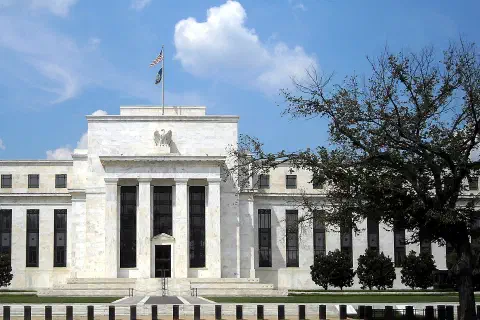
The Fed cut rates. Why are mortgage rates rising?
In one of the most counterintuitive market moves of recent years, the Federal Reserve’s jumbo 50-basis-point interest rate cut was immediately followed by a sharp surge in long-term borrowing costs. The benchmark ten-year Treasury yield climbed from 3.62 per cent to over 4.0 per cent, driving thirty-year fixed mortgage rates back toward seven per cent.
The Term Premium Revolt
Homebuyers and equity investors expecting immediate financing relief were left bewildered. The explanation lies in term structure dynamics: by cutting rates into economic resilience, the Fed ignited inflation expectations and fueled the 'higher nominal growth' thesis. Long-term bondholders demanded higher yields to compensate for prospective inflation and relentless federal debt supply. Monetary easing at the front end steepened the curve.

The post-cut surge in mortgage rates was a painful lesson in bond market mechanics: central banks can dictate overnight rates, but the market sets long-term borrowing costs.
Write to The Lombard Review at contact@thelombardreview.com