Oil jumps as Israel strikes Iran

A coordinated Israeli military strike targeting Iranian military infrastructure and strategic installations on 13 June sent crude oil prices violently higher, injecting an acute geopolitical risk premium into global fixed-income and inflation-swap curves. Brent crude surged back toward ninety dollars per barrel, disrupting the summer disinflation narrative.
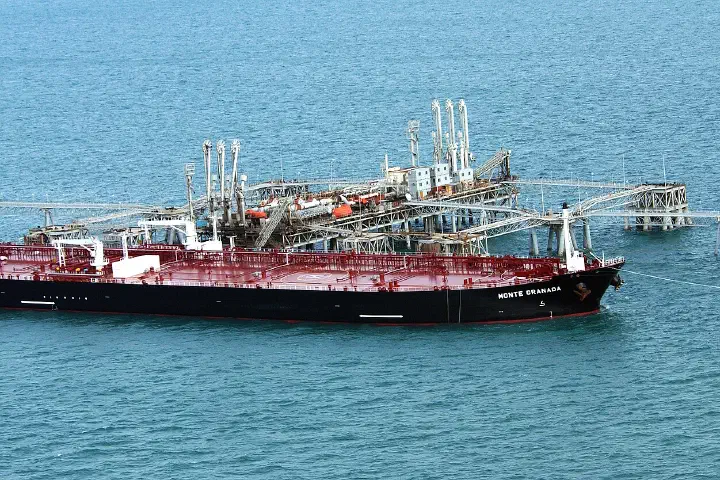
Inflation Swaps and Term Premium Surge
Trading desks immediately repriced short-term inflation swaps, lifting one-year and two-year breakevens as energy input costs surged. For bond investors, the oil spike represents an unforgiving supply-side shock that cannot be absorbed without pain. When crude prices surge, real household disposable income is siphoned away into gasoline tanks and utility bills, while headline consumer prices accelerate, preventing central banks from providing monetary easing.
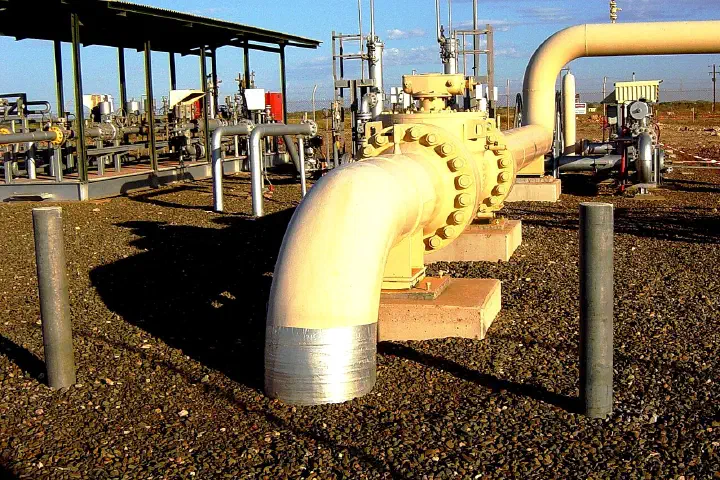
Strait of Hormuz Vulnerability
The overriding hazard priced into sovereign bond spreads is the operational vulnerability of maritime transit through the Strait of Hormuz, where twenty per cent of global petroleum supply clears daily. Any sustained threat to maritime navigation guarantees an energy supply crunch of historic proportions. The geopolitical escalation in the Middle East delivers an unhedged supply shock directly into bond markets, forcing fixed-income investors to demand a steeper term premium to insure against sustained energy-driven inflation.
Write to The Lombard Review at contact@thelombardreview.com