NYCB's office loans come due
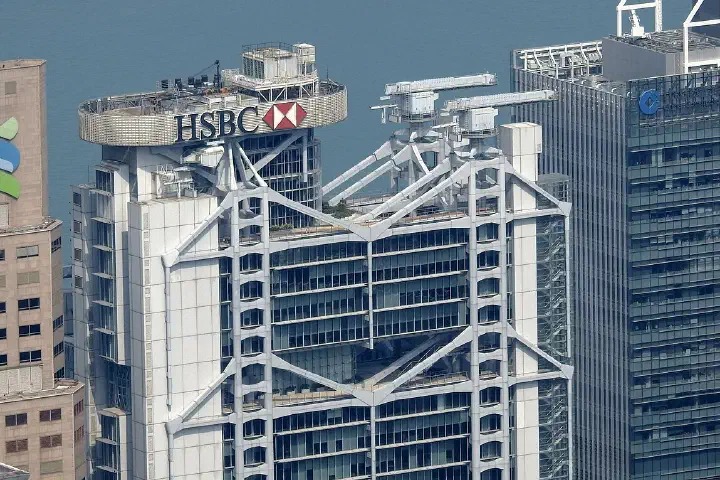
New York Community Bancorp’s disastrous earnings announcement served as a brutal reminder that the commercial real estate reckoning is actively unfolding on bank balance sheets. Crossing the $100 billion asset threshold following its acquisition of Signature Bank assets triggered strict regulatory capital mandates, forcing a sudden $552 million provision and a seventy per cent dividend cut.
The Regulatory Escalator
NYCB’s exposure to rent-regulated multifamily housing and metropolitan office towers exposed an uncomfortable reality: regional lenders cannot easily absorb the twin blows of falling asset appraisals and escalating Category IV capital rules. As office debt matures into five-per-cent base rates, banks face compounding credit provisions that will cannibalize capital reserves and constrain lending.

NYCB’s distress proved that crossing regulatory asset thresholds into higher capital requirements exposes legacy commercial property exposures to brutal market discipline.
Write to The Lombard Review at contact@thelombardreview.com