New Year's Eve: How the dollar lost its shine
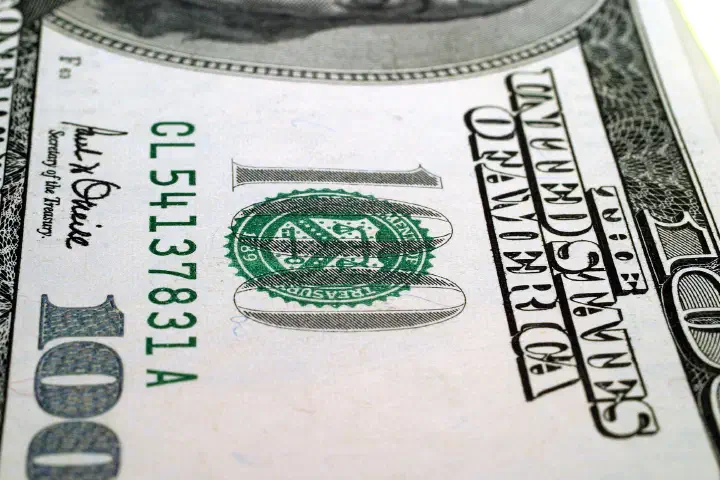
On New Year’s Eve, global foreign exchange desks toasted the conclusion of a tumultuous trading year that witnessed the definitive erosion of the dollar's multi-decade structural aura. With the Dollar Index down 9 per cent across twelve months, the greenback suffered its worst annual performance since the aftermath of the global financial crisis.

Reserve Status vs. Policy Volatility
The greenback's decline was not caused by a routine business-cycle slowdown; it was the direct market penalty for reckless sovereign policy choices. Enacting emergency tariffs via executive fiat, weaponizing financial sanctions, attempting to dismiss seated central bank governors, and running $2 trillion budget deficits proved incompatible with preserving risk-free currency status. International reserve managers quietly reduced dollar allocations to twenty-year lows.

The Multi-Polar Currency Reality
While the dollar remains the predominant vehicle for global trade settlement due to the sheer absence of liquid alternatives, its role as a pristine store of value has been permanently impaired. Global capital is building alternative regional settlement conduits and diversifying into non-dollar assets. New Year's Eve 2025 closes the book on American currency exceptionalism, leaving the dollar to enter 2026 not as an unshakeable safe haven, but as a heavily indebted fiat currency burdened by escalating sovereign risk premia.
Write to The Lombard Review at contact@thelombardreview.com