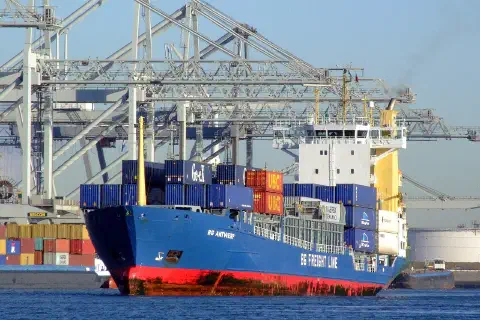
How Chinese goods reach America through Mexico
On paper, Washington’s protectionist trade policy appears to have succeeded in dramatically reducing reliance on Chinese manufacturing: China’s share of US merchandise imports has dropped from twenty-one per cent in 2017 to under fourteen per cent today. Yet inspecting global supply chains reveals that the decoupling is an elaborate commercial illusion.
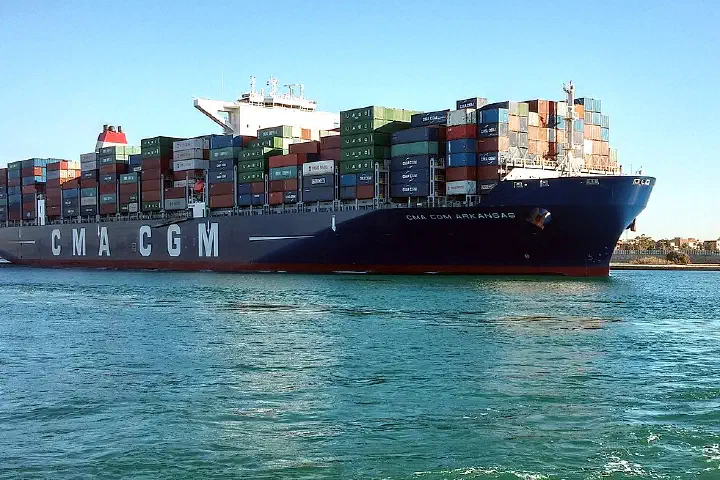
The Transshipment Bypass
Chinese manufacturers have adapted with formidable commercial agility, routing intermediate components through Mexico and Southeast Asia for final assembly before exporting finished goods tariff-free into the United States. Mexico has overtaken China as America’s top trading partner, but Mexican exports are deeply embedded with Chinese value-added components. Protectionist tariffs have not decoupled supply chains; they have simply lengthened them and added transactional friction.

Washington’s tariffs did not eliminate Chinese industrial imports; they merely forced supply chains through Mexico, adding transit costs while leaving underlying trade dependence entirely intact.
Write to The Lombard Review at contact@thelombardreview.com