GDP shrank. The economy didn't
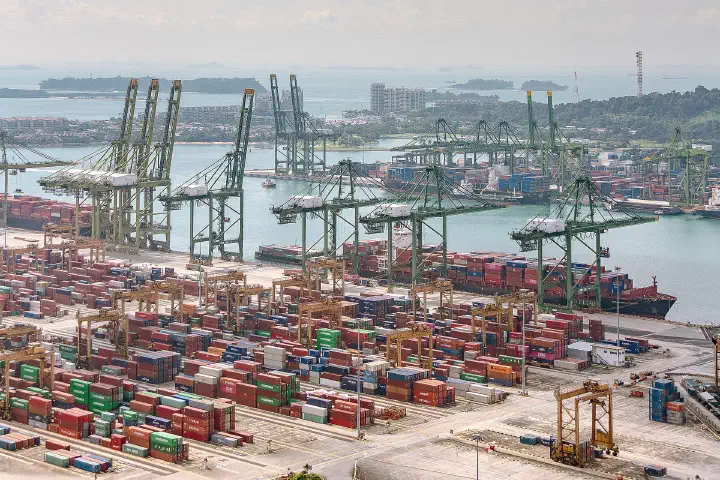
Advance estimates of first-quarter gross domestic product revealed an eye-catching headline contraction of −0.3 per cent, prompting sensationalist recession declarations across the financial press. Yet a disciplined forensic examination of the national income accounts reveals an economy that remains remarkably durable: the headline contraction was entirely manufactured by a 41 per cent surge in imported goods.

Domestic Demand vs. External Distortions
The national GDP formula calculates total economic activity as consumption plus investment plus government spending plus net exports. When commercial importers aggressively pulled forward foreign purchases ahead of anticipated tariffs, imports surged by 41 per cent, mechanically subtracting over four percentage points from the headline calculation. When stripping out this external trade distortion, real final sales to private domestic purchasers—the bedrock measure of domestic consumer and business demand—expanded at a healthy 2.6 per cent annualized pace.

Corporate Fixed Investment Resilience
Underlying consumer spending advanced solidly, while non-residential fixed investment expanded on the back of resilient enterprise software and data center deployments. American consumers continued to spend, and corporations continued to hire. The negative first-quarter GDP print was an optical illusion created by erratic import timing: the underlying domestic economy remains robust, even as distorted trade flows manipulate the headline national accounts.
Write to The Lombard Review at contact@thelombardreview.com